

Key Takeaways
- The D.C. Court of Appeals granted a rehearing en banc for the case Benson v. United States, vacating the March 5 decision.
- The court will consider the District’s ban on firearm magazines over 10 rounds and its licensing requirements related to the Second Amendment.
- Appellant Tyree Benson has 30 days to file his opening brief, and the parties must submit new briefs for the en banc court.
- The court’s ruling will impact Second Amendment discussions beyond the District, highlighting the significance of civil rights in firearm legislation.
- This scrutiny emphasizes the importance of the right to keep and bear arms amid ongoing debates about firearm regulations.
Estimated reading time: 3 minutes
WASHINGTON, D.C. — The District of Columbia Court of Appeals granted the District’s petition for rehearing en banc in Benson v. United States on April 22, 2026, vacating the court’s March 5, 2026 opinion and judgment in the case.
The per curiam order states that a majority of the judges voted to grant the petition filed by intervenor-appellee District of Columbia. The ruling wipes the March 5 decision off the books and restores the case for a full rehearing before the entire bench.
Chief Judge Blackburne-Rigsby and Associate Judges Beckwith, Easterly, McLeese, Deahl, Howard, and Shanker will hear the case as a full court. Oral argument will be scheduled as soon as the calendar permits. Each side will have up to 45 minutes of argument time.
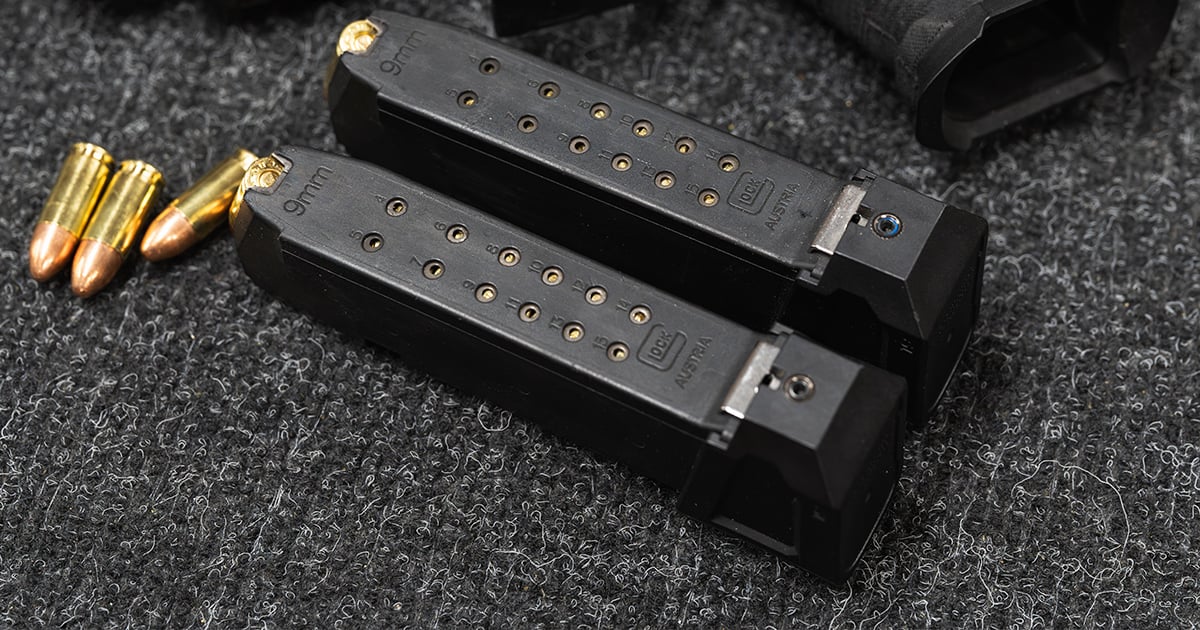
The court identified two specific questions for the parties to brief. The first is whether the District’s ban on firearm magazines capable of holding “more than 10 rounds of ammunition” violates the Second Amendment, either facially or as applied, and which of appellant Tyree Benson’s convictions should be reversed as a result of that constitutional infirmity. The second is whether the District’s licensing and registration requirements violate the Second Amendment.
More from USA Carry:
Appellant Tyree Benson must file his opening brief within 30 days of the order. The United States and the District of Columbia will then have 30 days to file responsive briefs. Benson’s reply is due 21 days after the responsive briefs are filed. Any amicus briefs must be filed within 7 days of the brief of the party the amicus supports.
The order states that the new briefs will be specifically designed for consideration by the en banc court and will supersede all briefs previously filed in the appeal. In practical terms, the parties and their amici are starting with a clean slate in front of the full court.
For armed citizens following this case, the core constitutional questions remain squarely on the table. The right to keep and bear arms is a fundamental civil right, and both magazine capacity limits and firearm registration schemes implicate that right in direct and significant ways. A full court decision on either question will carry substantial weight for Second Amendment litigation well beyond the District.