Key Takeaways
- The DOJ will uphold the Biden-era ATF rule on homemade firearms despite previous opposition from the Trump administration.
- This decision arises from the case VanDerStok v. Blanche in the Northern District of Texas, dealing with the definition of firearms in relation to ghost guns.
- The Biden rule expands ATF’s authority and conflicts with Trump’s Executive Order concerning Second Amendment rights.
- Key parties, including the Second Amendment Foundation, continue to challenge the rule, indicating ongoing legal battles.
- The case could influence regulations on privately made firearms and the legal responsibilities of builders.
Estimated reading time: 3 minutes
WASHINGTON, D.C. — The Department of Justice has informed a federal court that it will maintain the Biden-era ATF rule restricting homemade firearms, even as the Trump White House had previously called that same rule an attack on gun owners that “undermines the Second Amendment.”
The decision came in the ongoing case VanDerStok v. Blanche, currently in the Northern District of Texas. In a letter dated April 8, 2026, DOJ trial attorneys notified all parties that, following a review prompted by President Trump’s Executive Order 14206 titled “Protecting Second Amendment Rights,” the government has chosen to keep the current definition of firearm “frame” and “receiver” contained in ATF Final Rule 2021R-05F.
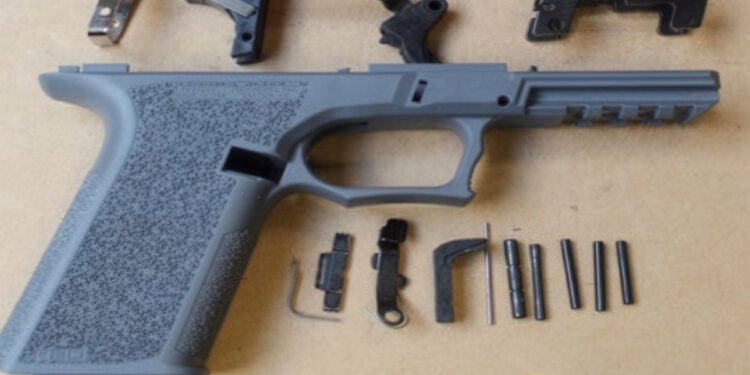
That rule, finalized under President Biden, significantly expanded ATF’s regulatory reach over so-called ghost guns — privately made firearms and unfinished parts kits. The rule stretched the statutory definition of “firearm” beyond what Congress intended, and the case has wound through federal courts ever since.
The DOJ’s reversal of its prior stay request puts the agency at direct odds with language coming from the White House itself. The Trump administration had publicly described the Biden rule as an “attack” on gun owners before its own Justice Department decided to defend it in court.
More from USA Carry:
The letter notes that parties — including Defense Distributed, the Second Amendment Foundation, and government defendants — have agreed on a proposed renewed merits briefing schedule to be filed with the court by April 9, 2026. A status report on the proceedings is expected by April 16.
This development raises serious questions about the gap between political messaging and legal action. Executive orders and campaign promises carry weight, but it is what the DOJ argues before a federal judge that shapes the actual law.
The Second Amendment Foundation, which is a named party in this litigation, has been among the most vocal opponents of the ghost gun rule. Their continued involvement in the case means the legal fight over the rule’s scope is far from over.
Armed citizens who build or own privately made firearms should closely follow this case. The outcome could determine what components are regulated as firearms under federal law and what legal exposure home builders face.