

Key Takeaways
- A California bill, Assembly Bill 2047, would ban the sale of 3D printers without firearm blocking technology starting July 1, 2027.
- The Department of Justice will check quarterly if ASTM International publishes relevant standards for these printers.
- If standards exist, the DOJ has 24 months to publish performance guidelines before enforcement begins.
- The bill provides exceptions for printers used in entertainment and offers liability protection for developers of blocking technology.
- The NRA opposes this measure, viewing it as censorship of private 3D printers.
Estimated reading time: 4 minutes
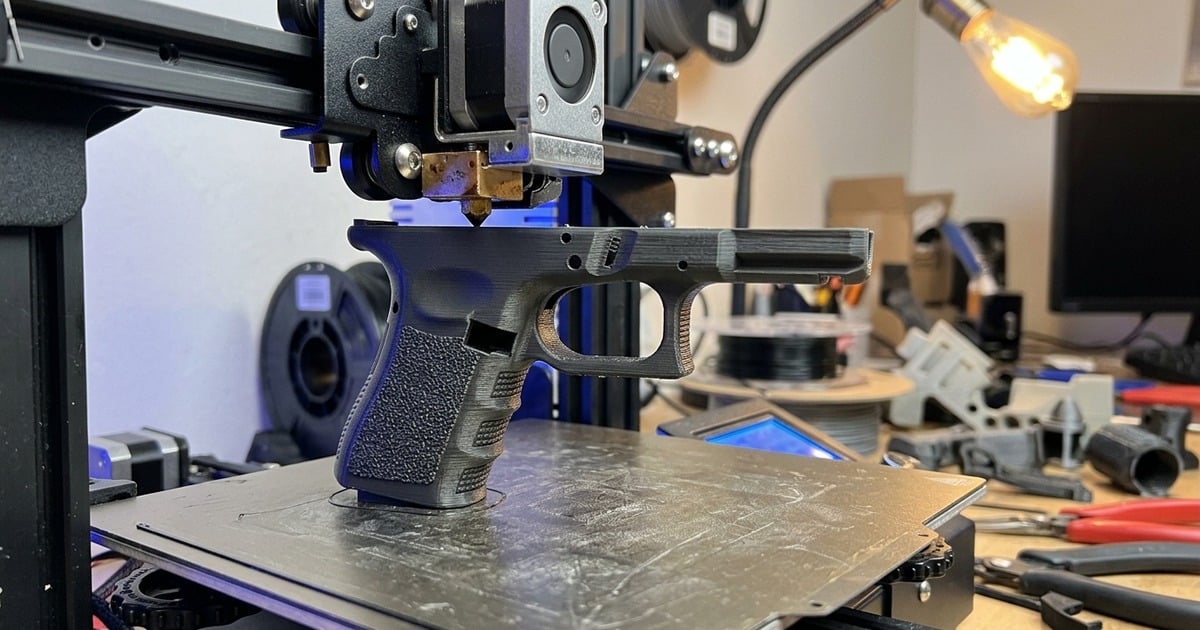
SACRAMENTO, CA — A California bill would make it unlawful to sell, offer for sale, or transfer for consideration any 3-dimensional printer in the state that is not equipped with firearm blocking technology.
Assembly Bill 2047 was introduced by Assembly Member Bauer-Kahan on February 17, 2026, with Assembly Members Patel, Rogers, and Stefani and Senator Grayson as coauthors. It has been amended five times, once in the Assembly on May 18, 2026, and four times in the Senate, most recently on August 28, 2026. The bill would add Title 21.1, commencing with Section 3273.631, to Part 4 of Division 3 of the Civil Code.
The mechanism is unusual, so it is worth walking through in plain language. The sales ban does not switch on by itself. Beginning no later than July 1, 2027, the California Department of Justice would have to check every three months whether ASTM International, a private standards-writing organization, has published industry standards for equipping 3D printers with firearm blocking technology.
If the Department determines that ASTM International has published or adopted such standards, the Department would then have 24 months to publish written guidance or regulations. Under the digest, that guidance would have to describe minimum performance standards for 3D printer firearm blocking technology before a printer can lawfully be sold or offered for sale in the state. Once that is in place, selling a non-compliant printer in California becomes unlawful.
There is an off-ramp. If, as of July 1, 2029, the Department determines that ASTM International has not published industry standards, the bill would relieve the Department of any further duty to keep checking.
Read that sequence again, because it is the whole bill. The Legislature is not writing the technical rule. It is handing the trigger for a statewide sales prohibition on a general purpose manufacturing tool to a private standards body, and then telling its own Department of Justice to fill in the performance requirements afterward. Californians would not know whether they can legally buy a 3D printer until an outside organization decides to publish a document.
The bill carves out printers used exclusively for the manufacturing of properties, meaning props, in the entertainment industry, and it authorizes the Department to adopt regulations providing additional exceptions. It also shields from civil liability a person who distributes, or causes the distribution of, digital firearm manufacturing code solely for the bona fide purpose of developing, refining, and testing the functionality of a firearm blocking technology. That last provision exists because California already authorizes civil actions against people who knowingly distribute digital firearm manufacturing code, and without a safe harbor the engineers building the blocking software would be exposed to the very liability the state created.
Existing California law already makes it a crime to knowingly or willfully cause another person to engage in the unlawful manufacture of firearms, including manufacture using a 3D printer, and already authorizes the Attorney General, county counsel, or a city attorney to seek civil penalties and injunctive relief against distributors of digital firearm manufacturing code. AB 2047 does not touch the conduct. It goes after the hardware, and it does so at the point of sale, which means the person affected is the buyer who has not manufactured anything at all. California already sits at the restrictive end of nearly every firearm policy, from California concealed carry laws to its existing restrictions on home manufacturing and on the distribution of digital manufacturing files.
The NRA Institute for Legislative Action is opposing the measure, posting about it in February 2026 under the headline California: Lawmakers Introduce New Bill that Would Censor Private 3-D Printers.
More from USA Carry:
The bill carries a majority vote threshold and includes a severability clause, which means that if a court strikes down one piece of it, the rest is intended to survive. Drafters include that language when they expect to be sued.
I will continue tracking AB 2047 and will report on the final enrolled text and any action taken on it.